Understanding storage facility liens is paramount for seamless storage pod retrieval, especially in California where DMV guidelines govern processes. Facilities impose liens after 30 days of extended storage, selling items to cover fees. Seeking expert assistance ensures compliance and smooth pickup. Early communication with providers prevents unexpected complications. Verifying documentation, completing DMV forms, and inspections are crucial during pickup. Post-pickup, account closure requires proper documentation and fee settlement to avoid lingering liens.
The efficient scheduling of storage pod pickups is a critical aspect of managing a successful self-storage business. With the constant ebb and flow of tenant movements, ensuring timely collection of these pods can prevent unwanted delays and reduce potential financial burdens, such as storage facility liens. The challenge lies in coordinating various factors: tenant schedules, pod locations, and efficient routing to minimize downtime. This article offers an authoritative guide to streamlining this process, providing practical strategies for optimal pickup scheduling that enhance operational efficiency and customer satisfaction.
- Understanding Storage Facility Policies
- Preparing for Pod Pickup: What to Do
- Communicating with the Storage Provider
- Assessing Storage Facility Lien Implications
- Coordinating Logistics on the Day of Pickup
- Post-Pickup: Verifying and Closing Out Account
Understanding Storage Facility Policies
Understanding Storage Facility Policies is a critical step when planning to pick up storage pods. Each facility has its own set of rules and regulations regarding storage periods, access, and retrieval procedures. It’s essential to familiarize yourself with these policies to avoid any potential issues or unexpected charges. One common policy is the storage facility lien, which gives the facility legal rights over the contents if the rent or fees are not paid. In California, for instance, the DMV lien sale guidelines specifically address the disposition of vehicles stored for an extended period, including abandoned vehicles, emphasizing the need for proper documentation and adherence to state regulations.
When a vehicle is left in storage for an extended time, it may be subject to a lien sale. This process involves selling the vehicle to satisfy outstanding fees, which can include storage costs, registration, and other associated expenses. For example, data from the California Department of Motor Vehicles (DMV) shows that vehicles left in storage for over 180 days are often sold through lien auctions, helping facilities recover their losses. It’s crucial to be aware of these guidelines to ensure a smooth process when retrieving your vehicle or its contents.
To navigate these policies effectively, consider seeking professional lien sale help from reputable services like Quick Auto Tags. They offer quick and efficient solutions for managing abandoned vehicles and storage pods, ensuring compliance with local regulations such as the DMV lien sale guidelines in California. By understanding and adhering to these policies, you can protect your rights while respecting those of the storage facility, fostering a transparent and fair transaction process.
Preparing for Pod Pickup: What to Do

Preparing for the pickup of storage pods is a crucial step to ensure a smooth and efficient process. Before the facility sends their team to retrieve the stored items, there are several tasks individuals or businesses should complete to avoid any disruptions or unexpected challenges. One critical aspect that often gets overlooked is understanding and adhering to the storage facility lien notification requirements. When an item is stored for an extended period, a storage facility may place a lien on it, which gives them legal rights to sell the item if the storage fees remain unpaid. It’s essential to be aware of this process, especially in cases where items require repair or maintenance before pickup.
For instance, a Riverside vehicle storage facility might initiate a lien sale notification process after 30 days of non-payment, providing the owner with a specific timeframe to settle the outstanding balance. If the debt remains unpaid, the facility can legally sell the vehicle through a public auction or what is commonly known as a lien sale for repair shops. This mechanism ensures facilities are compensated for their storage services, but it also places a significant responsibility on the item’s owner to stay informed and take necessary actions. To streamline this process, seeking expert assistance from a reliable lien sale process provider like Quick Auto Tags can be invaluable. They can guide you through the legal requirements, ensuring compliance and minimizing potential complications.
Additionally, individuals or businesses should thoroughly review their storage agreements for any specific terms related to liens and sales. For example, understanding when and how a facility might initiate a lien sale is crucial, especially in cases of damaged or repaired items. Some facilities may require pre-authorization for repairs, while others might handle the process internally. By staying proactive and informed about these aspects, individuals can ensure a seamless pod pickup experience, avoiding any unexpected legal entanglements or financial burdens.
Communicating with the Storage Provider

When planning to schedule the pickup of storage pods from a self-storage facility, effective communication with your storage provider is paramount. This interaction extends beyond simply booking a pickup time; it involves understanding and adhering to their policies, especially regarding stored vehicles and what happens when they remain unclaimed for an extended period. In many jurisdictions, including California, storage facilities can impose a lien on personal property left on their premises for an excessive duration. This is known as a storage facility lien, designed to compensate the facility for the storage costs incurred.
In California, for instance, the DMV lien sale guidelines govern how these sales are conducted, ensuring transparency and fairness. When a vehicle remains at the facility beyond the permitted storage period, the provider may initiate a lien sale process. This typically involves notifying the owner via certified mail and holding an auction or selling the vehicle through a licensed auto tags lien service like Quick Auto Tags. The proceeds from this sale are applied to any outstanding fees, including storage costs and, in some cases, legal expenses. It’s crucial to communicate with your storage provider early to understand their specific procedures and avoid potential complications, such as unexpected fees or delays in the return of personal belongings.
Complete lien sale assistance at Quick Auto Tags can streamline this process, offering a range of services designed to help owners resolve issues swiftly. They provide clear guidance on lien sales for abandoned vehicles, ensuring that all legal requirements are met. By engaging with professionals like Quick Auto Tags, individuals facing storage facility liens can benefit from expertise tailored to their state’s regulations, including the DMV lien sale guidelines in California. This proactive approach not only simplifies the process but also fosters a positive resolution, preventing potential disputes or additional charges associated with prolonged storage.
Assessing Storage Facility Lien Implications
When planning to schedule the pickup of storage pods from a facility, understanding the legal implications of a storage facility lien is paramount. In California, for instance, the DMV lien sale guidelines govern the process, ensuring transparency and fairness in cases where vehicles or personal property are held due to unpaid fees or taxes. A key consideration here is the potential impact on both the owner and the storage facility operator. For instance, a Riverside vehicle lien sale may result in a significant financial burden for the owner if not managed correctly, while the facility risks retaining possession of pods indefinitely if liens aren’t properly addressed.
The complexities deepen when dealing with long-term storage situations. Storage facilities that hold items for extended periods often have specific policies regarding liens and their resolution. They may offer lien sale services to recover outstanding balances, but it’s crucial to understand the terms and conditions associated with these processes. In many cases, storage facility lien sales can be streamlined through professional assistance. Quick Auto Tags, for example, provides hassle-free lien sale paperwork tailored for California DMV requirements, enabling efficient resolution of liens while protecting all parties’ interests.
To ensure a smooth transition, it’s recommended that individuals and businesses involved in storage arrangements thoroughly review the facility’s policies on liens, sales, and associated fees. Proactive engagement with the facility management regarding any outstanding balances well before the intended pod pickup can prevent potential legal entanglements. By staying informed about state-mandated guidelines, such as those governing DMV lien sales, users of storage services can make informed decisions that protect their rights while respecting those of the storage facilities.
Coordinating Logistics on the Day of Pickup
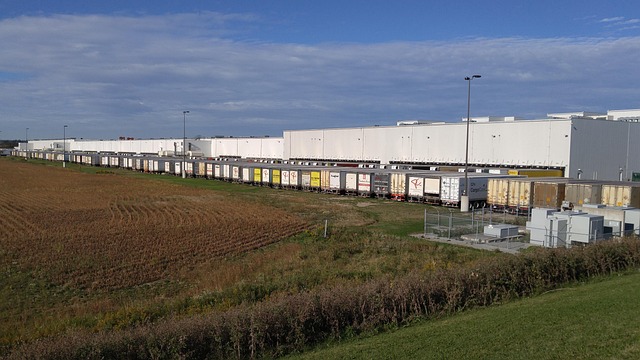
Coordinating the logistics of a storage pod pickup day requires meticulous planning and attention to detail, especially when navigating the complexities of vehicle lien sales in California. As vehicles stored at self-storage facilities often have associated DMV liens due to outstanding registration or title issues, understanding the DMV lien sale process in California is crucial. The state’s Department of Motor Vehicles (DMV) facilitates this procedure, which involves a series of steps that must be followed precisely. One key player in streamlining this process is Quick Auto Tags, offering specialized services for vehicle lien release and sales across the state.
On the day of pickup, the first step is to verify all necessary documentation, including proof of ownership, lienholder information, and any required releases or affidavits. This ensures a smooth sale and prevents potential issues with the DMV. Following California’s guidelines, the seller must complete and submit the appropriate vehicle lien sale documentation to the DMV, typically including forms like the “Notice of Sale” and “Affidavit of Sale.” It’s essential to double-check these requirements before the pickup team arrives to avoid any delays or complications.
During the actual pickup, a thorough inspection of the vehicle is conducted to confirm its condition and ensure it matches the description provided in the sales documentation. This step is vital for both parties’ protection. Once validated, the storage facility staff will facilitate the transfer of ownership by updating the DMV records, reflecting the new owner’s details. The entire process, from document preparation to final registration, should be completed within a specific timeframe set by California law. Quick Auto Tags can assist in this crucial phase, providing expertise and ensuring compliance with all applicable regulations, including those related to vehicle lien sale fees in California.
Post-Pickup: Verifying and Closing Out Account

After a storage pod is picked up from a facility, the process doesn’t end there. Verifying and closing out the account is crucial to ensure smooth transference of ownership and avoid any legal complications or storage facility liens. Storage facility lien regulations, such as those in California where Riverside DMV lien sale services are prevalent, dictate the procedures for disposing of abandoned or unclaimed property.
The first step involves confirming that all personal belongings have been removed from the pod. This is done to prevent any confusion regarding the pod’s contents and to safeguard against potential claims of ownership after the sale. Once empty, a thorough inspection is conducted to assess the condition of the unit—a process necessary for both record-keeping and ensuring fair valuation during the lien sale.
Closing out the account includes submitting all required documentation to the storage facility manager and settling any outstanding fees or charges. It’s important to understand the dmv lien sale regulations specific to your location, as they govern how facilities can sell unclaimed property to recover storage costs. For instance, in California, facilities must comply with Riverside DMV lien sale guidelines, which dictate timelines, auction procedures, and record-keeping practices.
To ensure a seamless process, some storage facilities partner with specialized services like Certified lien sale services by Quick Auto Tags, who handle the legal aspects of lien sales for peace of mind and to avoid any potential mistakes or disputes that could lead to costly legal battles or lingering storage facility liens.
By thoroughly understanding storage facility policies, preparing meticulously for pod pickup, maintaining open communication with providers, and attentively managing Storage Facility Lien implications, individuals can ensure a seamless schedule pickup of storage pods. The key takeaways emphasize the importance of pre-planning, clear communication, and meticulous record-keeping to avoid potential pitfalls and ensure a smooth transition. Next steps include reviewing facility rules, coordinating logistics with advance notice, and keeping detailed records for both personal reference and to protect against any Storage Facility Lien claims. This comprehensive guide equips readers with the knowledge and tools necessary to navigate the process confidently and securely.