
Understanding California's DMV lien sale regulations for storage facility liens is vital for legal compliance and client relations. Research shipping container storage options, compare quotes, and consider factors like location, size, and security. Storage facility liens impact pricing; negotiate rates, explore promotions, and optimize container utilization to save costs. Efficient packing and strategic stacking enhance space efficiency and reduce storage fees.
- Understanding Storage Facility Lien Laws
- Steps to Obtain a Shipping Container Storage Estimate
- Factors Influencing Shipping Container Costs
- Types of Storage Plans and Their Pricing
- Negotiating Rates for Container Storage
- Documenting and Tracking Your Storage Expenses
- Optimizing Space: Maximize Container Utilization
Understanding Storage Facility Lien Laws

When considering shipping container storage, understanding the legal framework surrounding storage facility liens is paramount. Lien laws protect both storage facilities and individuals by establishing clear rules for keeping possession of personal property while ensuring payment for storage services. In California, the DMV lien sale regulations specifically govern the process when a vehicle remains unpaid at a storage facility for an extended period. This includes guidelines for public lien sale for storage facilities, such as those offered by reputable providers like Quick Auto Tags in Riverside, where vehicles can be sold to recover storage costs after specific notice periods.
Facilities must adhere to these DMV lien sale regulations and provide clear communication to customers regarding their rights and responsibilities. The riverside dmv lien sale services, for instance, streamline the process by offering efficient title transfer solutions like Quick lien sale with Quick Auto Tags, ensuring a seamless transition during challenging financial situations. By understanding and following these laws, both storage operators and clients can avoid legal complications and maintain a transparent relationship.
Steps to Obtain a Shipping Container Storage Estimate

Obtaining an accurate estimate for shipping container storage is crucial before committing to any arrangements. Here’s how you can get started:
1. Assess Your Needs: Begin by evaluating the size and type of shipping containers you require, along with their intended use. Will they be storing goods, vehicles, or something else? Knowing these details will help in determining space needs.
2. Research Storage Facilities: Explore various storage facilities that offer container rental services. Look for reputable options with a good track record. Pay attention to factors like location, security measures, and additional services provided. Some facilities may have specific requirements or policies regarding the duration of storage, so review their terms carefully.
3. Request Quotations: Reach out to several selected storage facilities and request detailed quotes. Provide them with your specific requirements, including container dimensions, desired rental period, and any extra services needed. Be sure to inquire about potential discounts for long-term rentals or ask about vehicle lien sale notifications and documentation if relevant to your situation. Some companies, like Quick Auto Tags, offer certified lien sale services, which can be a valuable option when recovering repair costs.
Factors Influencing Shipping Container Costs

When getting an estimate for shipping container storage, several factors significantly influence the overall cost. One key consideration is the location of the storage facility—proximity to ports or major transportation hubs can affect pricing due to varying levels of competition and accessibility. Additionally, the size and condition of the shipping containers play a crucial role; larger or specialized containers designed for specific cargo types may come with premium rates.
Another aspect that can drive up costs is whether the container has been subject to a storage facility lien. In cases where a vehicle or cargo remains at a storage facility for an extended period, the owner or operator might incur additional charges, including daily storage fees and lien sale fees, such as those associated with dmv lien sale processes in California. These fees can vary widely depending on local regulations and the specific circumstances surrounding the container’s retention. Even abandoned vehicles may face lien sale for their storage costs, as seen with Quick Auto Tags offering a quick lien sale title transfer service.
Types of Storage Plans and Their Pricing

When considering shipping container storage, understanding different storage plans and their associated pricing is key to making an informed decision. Storage facilities typically offer flexible options tailored to various needs, from short-term to long-term needs. Among these, three common types stand out: standard storage, drive-up storage, and indoor storage. Standard storage containers are ideal for items that don’t require frequent access, with prices varying based on container size and location. Drive-up storage is perfect for those needing easy access to their belongings, usually at a slightly higher cost compared to standard storage. Indoor storage provides the highest level of security and protection against elements, making it suitable for valuable or sensitive items, yet it often comes at a premium price.
Pricing for these plans can vary significantly based on factors such as container size, location, security features, and duration. For instance, a 10-foot container in a secure facility might cost several times more than a larger unit in a less secure area. It’s also important to note that some storage facilities impose additional fees for services like insurance, administrative costs, or even early termination. In California, especially around Riverside, businesses like Quick Auto Tags offer not just reliable storage solutions but also support for DMV lien sales and fast processing of lien sales for repair shops, providing a one-stop service for both storage needs and administrative tasks related to vehicle ownership.
Negotiating Rates for Container Storage

Negotiating rates for container storage is an essential step when choosing a storage facility. Many facilities offer competitive pricing, but understanding how they determine charges is key to getting a fair deal. One factor to consider is the size and type of container you need; larger containers usually come at a premium. Additionally, locations play a significant role in rate calculations, with urban areas often having higher costs due to increased demand and overhead expenses.
When discussing rates, don’t be afraid to inquire about potential discounts or special offers. Some facilities provide incentives for long-term leases or offer reduced rates during off-peak seasons. Moreover, exploring options like lien sales for repair shops, vehicle storage, or abandoned vehicles can lead to even more savings. For instance, convenient DMV lien services at Quick Auto Tags might offer bundle deals or promotions that can benefit businesses looking for comprehensive storage solutions.
Documenting and Tracking Your Storage Expenses

Documenting and tracking your storage expenses is an essential aspect of managing your budget when using a storage facility. It involves keeping detailed records of all costs associated with storing your goods, including monthly rental fees, insurance, taxes, and any other miscellaneous charges. By maintaining meticulous documentation, you can easily identify areas where you might be overspending and make informed decisions to optimize your storage budget.
Additionally, staying organized with regard to these expenses is crucial, especially if your items are subject to a storage facility lien. Lien sale notification requirements vary, but having comprehensive records of your payments and interactions with the facility can help streamline the process if a vehicle or personal property is deemed abandoned and enters into a lien sale for abandoned vehicles. For example, Riverside DMV lien sales handled by Quick Auto Tags rely on meticulous documentation to ensure compliance with local laws and facilitate efficient resolution for all parties involved. Remember that keeping track of these expenses could be a game-changer when it comes to managing your storage costs effectively.
Optimizing Space: Maximize Container Utilization
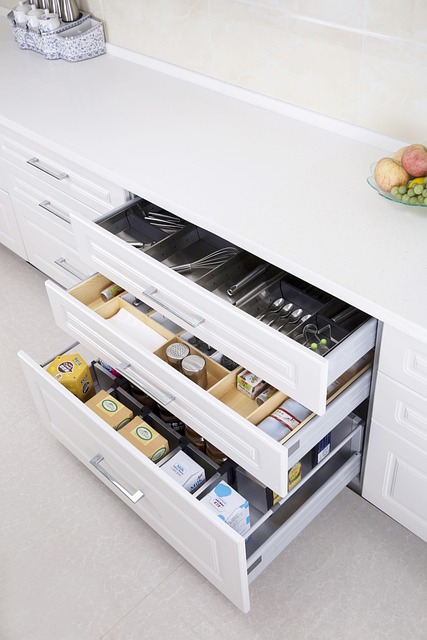
Optimizing space within a storage facility is a key consideration for efficient container utilization. Efficient packing and strategic stacking techniques can significantly maximize the capacity of your units. For example, utilizing vertical space by stacking containers multiple high, or using specialized racking systems designed to accommodate their dimensions, can dramatically enhance storage density. This not only reduces the overall square footage required but also allows for better organization and easier access to stored goods.
Furthermore, proper container placement is essential. Smaller vehicles or those with unique shapes might require dedicated spaces, whereas larger containers can be placed in more central locations. Professional lien sale help from Quick Auto Tags suggests that a well-organized storage facility not only facilitates quicker loading and unloading but also reduces the risk of damage during transportation, saving on costs associated with repairs, which could include vehicle lien sale notifications, documentation, or even liens for unpaid repairs.
When getting a shipping container storage estimate, understanding local storage facility lien laws, factoring in unique space utilization strategies, and negotiating rates can significantly impact your overall costs. By considering these aspects, you’ll be better equipped to choose a suitable storage plan that aligns with your budget and needs. Remember to document expenses and track usage to optimize your investment.


