
Long-term vehicle storage incurs significant costs including maintenance, fees, and DMV lien sales, especially in cities like Riverside. Reputable services like Quick Auto Tags help navigate DMV procedures, manage liens, and minimize fees. Understanding storage facility liens and local regulations is crucial for informed decisions. Transparent pricing and clear communication ensure strategic storage options and peace of mind. Selecting the right method balances cost-effectiveness with enhanced security and convenience for specific vehicle needs.
In today’s fast-paced world, securing long-term storage solutions is a pressing concern for individuals and businesses alike. With ever-increasing clutter and space constraints, finding reliable and cost-effective storage becomes a daunting task. This article delves into the intricate process of obtaining quotes for long-term storage, offering valuable insights for those navigating this complex landscape. We’ll explore how to evaluate different storage facilities, understand pricing structures, and leverage Storage Facility Lien regulations to ensure a secure and cost-efficient arrangement. By the end, readers will possess the knowledge needed to make informed decisions, transforming their approach to long-term storage.
- Understanding Long-Term Storage Needs
- Locating Reliable Storage Facilities
- Requesting Quotes: Key Factors to Consider
- Storage Facility Lien: Legal Implications Explained
- Comparing Options for Optimal Choice
Understanding Long-Term Storage Needs
Understanding your long-term storage needs is a critical first step when considering extended vehicle retention. Over time, vehicles held in storage can incur various expenses including maintenance, storage fees, and, notably, DMV lien sale fees in California, which can significantly add up. In some cases, especially in bustling cities like Riverside, vehicles may remain unused for years, subject to storage facility liens that can complicate ownership transfer.
For example, a study by the California Department of Motor Vehicles (DMV) revealed that vehicles held in long-term storage contribute to a substantial portion of lien sales within the state. This trend highlights the importance of proactive management for owners facing extended retention periods. One key strategy involves exploring options for lien sale, allowing for the recovery of storage costs and freeing up valuable space.
When navigating this process, it’s essential to engage with reputable services like Quick Auto Tags that offer complete lien sale assistance. They can guide you through the DMV lien sale procedures, ensuring compliance and minimizing associated fees, such as those prevalent in Riverside. By understanding your rights and options, you can avoid unexpected financial burdens and streamline the eventual repossession or sale of your vehicle.
Locating Reliable Storage Facilities

Locating reliable storage facilities is a critical step when considering long-term vehicle storage. With numerous options available, choosing the right facility can be daunting. One key aspect to consider is the storage facility lien, which safeguards the owner’s rights should the vehicle remain unpaid for an extended period. In California, for instance, the DMV lien sale regulations provide a framework for handling such situations, ensuring fairness and transparency.
When evaluating potential storage facilities, it’s essential to look beyond their physical condition and security measures. Reputable facilities invest in advanced security systems, surveillance cameras, and well-trained staff to protect stored vehicles. Additionally, they adhere to local and state regulations, including those related to vehicle lien sales. For example, California’s quick auto tags lien services streamline the process, allowing for efficient management of liens and titles, which is crucial for both owners and storage operators.
A best practice for prospective clients is to request detailed information on the facility’s policies regarding storage agreements, payment terms, and lien notifications. Reliable facilities will provide clear, concise documentation outlining these processes. They should also be able to offer vehicle lien sale notifications, ensuring owners stay informed about any pending sales or repossessions. Regular communication, such as sending updates 1-3 times per year, fosters trust and transparency between storage providers and clients. By prioritizing these factors, individuals can make informed decisions, securing their vehicles’ safety and peace of mind for the long term.
Requesting Quotes: Key Factors to Consider

When considering long-term storage options for your vehicle or fleet, requesting quotes is a crucial step to ensure you’re making an informed decision. This process involves navigating various factors that can impact both cost and convenience. Key among these is understanding the storage facility lien process and how it might affect your bottom line. In California, for instance, the DMV lien sale process plays a significant role in recovering repair costs, which can range from 1-3 times the initial expense, depending on various factors.
One of the first things to consider is the reputation and services offered by the storage facility or company handling the lien sale. For instance, riverside DMV lien sale services should provide transparent and efficient processes, ensuring your paperwork is handled quickly. Quick Auto Tags, a leading provider, offers just such solutions, streamlining the lien sale process in California and facilitating swift recovery of repair costs. This expert perspective highlights the importance of choosing a reliable partner who understands the intricate storage facility lien dynamics.
Additionally, be mindful of hidden fees or unexpected charges that could inflate your storage expenses. Reputable companies will offer clear quotes, outlining every cost associated with the process. For example, data from industry insiders suggests that transparent pricing structures can significantly reduce post-repair costs, making it easier to budget and plan for future vehicle maintenance. By carefully evaluating these factors, you’ll be well on your way to making a strategic decision regarding long-term storage options.
Storage Facility Lien: Legal Implications Explained
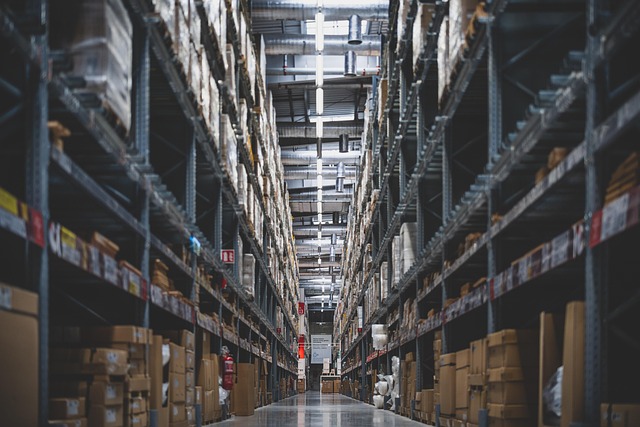
Storage facility liens are a legal mechanism that allows storage operators to secure payment for services rendered when a vehicle or personal property is left in their care for an extended period. This practice, while providing a means of revenue protection, carries significant legal implications, especially regarding vehicle lien sale procedures, as seen in California’s stringent guidelines and the potential for DMV lien sale notifications.
In California, storage facility operators must adhere to specific rules when selling vehicles with outstanding storage fees. The process involves several steps, including providing adequate notice to the property owner or driver of intent to sell the vehicle. These notifications are critical, as they offer owners a chance to pay off the debt and retrieve their belongings before the sale proceeds, as per DMV lien sale guidelines. The California Vehicle Code outlines that storage operators must post notices for at least 30 days, ensuring fair practice.
A key consideration is understanding the legal rights and responsibilities during this process. For instance, when a vehicle is sold due to unpaid storage fees, the sales revenue is subject to certain rules. Any surplus funds after covering storage costs and fees must be remitted to the DMV, which handles distribution to the rightful owner once identified. This intricate system highlights the importance of accurate record-keeping and adherence to state regulations, such as those regarding DMV lien sale fees in California.
Complete lien sale assistance is available from experts like Quick Auto Tags, who can navigate these complex legalities. They offer tailored support for storage operators, ensuring compliance with DMV lien sale procedures and guidelines, thereby fostering a transparent and efficient process. By engaging professionals well-versed in these matters, storage facility operators can mitigate potential legal risks and streamline the management of vehicle liens.
Comparing Options for Optimal Choice

When considering long-term storage options for vehicles, a meticulous comparison of available methods is essential to make an informed decision. Storage facilities often charge different rates based on factors like location, security measures, and duration. For instance, a riverside area might command higher fees due to increased land values and potential environmental considerations. Conversely, off-the-beaten-path locations could offer more affordable options, albeit with lesser amenities.
One strategic approach involves assessing the underlying reasons for storage. A vehicle needing repairs may be subject to a lien sale processing fee if left unattended. For example, a quick auto tags lien service might charge a nominal fee for processing the sale of a car with outstanding repair bills. This method not only ensures timely action but also clears the legal cloud associated with such vehicles. However, it’s crucial to balance these charges against the overall storage costs to determine the most economical solution.
The choice between self-storage and specialized facilities should be guided by specific needs. Self-storage units provide flexibility but require active management, while dedicated facilities offer enhanced security and convenience. For instance, Riverside DMV lien sales handled by Quick Auto Tags exemplify a specialized service, ensuring efficient processing with minimal owner involvement. This can be particularly beneficial for vehicles needing routine maintenance or those in legal limbo due to documentation issues. Ultimately, the optimal choice lies in aligning storage methods with cost-effectiveness and peace of mind.
By thoroughly understanding your long-term storage needs, strategically locating reliable facilities, carefully considering key factors when requesting quotes, and gaining awareness of legal implications like the storage facility lien, you can make informed decisions when selecting a storage option. Comparing different proposals allows for an optimal choice that aligns with your budget, security requirements, and access needs. This article equips readers with essential knowledge to navigate this process effectively, ensuring peace of mind and maximizing the value of their stored possessions.


